Your website is like your digital storefront – it’s open 24/7 and often the first thing customers see when they discover your business. Just like you wouldn’t let your physical store look rundown, your website needs regular attention too.
Here’s something that might surprise you: 94% of people form their first impression of your business based on your website design. That’s a lot of potential customers making snap decisions about whether to trust you or move on to your competitor.
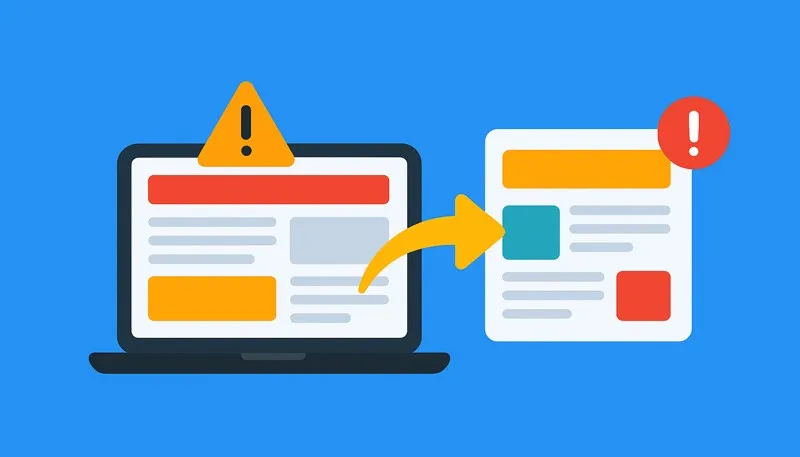
But how do you know when it’s time to give your website a makeover? Let’s walk through 5 signs your small business website needs a redesign.
1. Your Website Looks Like It’s From Another Era
First impressions matter. If your website still looks like it was built a decade ago—with outdated fonts, cluttered layouts, or old-fashioned design—it immediately sends the wrong message. Visitors may think your business is not modern or trustworthy. A fresh, clean design shows that your brand is professional, relevant, and ready to serve today’s customers.
What Modern Websites Look Like
Today’s websites are clean and simple. Think of brands like Apple or Airbnb – lots of white space, beautiful photos, and everything is easy to find. Modern websites focus on making things simple for visitors, not showing off fancy effects.
Modern websites have:
- Clean, uncluttered layouts
- High-quality, professional photos
- Easy-to-read fonts
- Plenty of white space
- Simple, clear navigation
- Fast-loading pages
Why This Matters for Your Business
When your website looks outdated, people assume your business is outdated too. Studies show that 75% of people judge how credible your business is just by looking at your website. If it looks unprofessional, they’ll click away and find someone else.
2. Your Website Doesn’t Work Well on Phones
More than half of all web traffic now comes from mobile devices. If your website doesn’t display properly on phones or tablets—forcing users to zoom in, scroll sideways, or deal with broken layouts—you’re losing customers. A mobile-friendly design (responsive design) ensures your website looks great and works smoothly on every screen.
The Mobile Reality Check
Here’s a shocking statistic: More than half of all website visits now come from mobile phones. If your website doesn’t work well on phones, you’re literally turning away most of your potential customers.
Signs your website isn’t mobile-friendly:
- Text is so small you need to zoom in to read it
- Buttons are too tiny to tap easily
- You have to scroll left and right to see content
- Images don’t resize for smaller screens
- Forms are impossible to fill out on a phone
- Pages take forever to load on mobile
The Google Factor
Google has made mobile-friendliness a major ranking factor. Since 2018, they look at the mobile version of your website first when deciding where to rank you in search results. If your site doesn’t work on mobile, you’re not just losing visitors – you’re also becoming invisible in search results.
What Good Mobile Design Looks Like
A mobile-friendly website automatically adjusts to fit any screen size. The text is large enough to read, buttons are easy to tap, and everything loads quickly. It’s like having a perfectly fitted outfit – it just works, no matter what.
Quick test: Pull out your phone right now and visit your website. Can you easily read everything? Can you navigate without getting frustrated? If not, it’s time for a redesign.
3. Your Website Loads Slower Than Molasses
People don’t wait around for slow websites. If your site takes more than a few seconds to load, visitors often leave and go to a competitor. A slow website also hurts your search engine rankings. Optimizing speed with better hosting, image compression, and modern code ensures users stay engaged and search engines reward your site.
Speed Kills (Your Business)
In our instant-gratification world, nobody waits for slow websites. If your site takes more than 3 seconds to load, more than half of your mobile visitors will give up and leave. That’s not just a number – that’s lost customers walking out the door.
Why Websites Become Slow
Think of your website like a moving truck. If you stuff it full of heavy furniture (large images, videos, and fancy effects), it’s going to move slowly. Over time, websites accumulate digital “junk” that weighs them down.
Common culprits that slow down websites:
- Huge image files that haven’t been compressed
- Too many plugins or add-ons
- Old, messy code
- Videos that load automatically
- Cheap web hosting
- Outdated website platform
Test Your Website Speed
You don’t need to be a tech expert to check your website speed. Just visit Google PageSpeed Insights, type in your website address, and it will tell you exactly how fast (or slow) your site is. It even gives you a simple score out of 100.
What the scores mean:
- 90-100: Excellent (like a sports car)
- 50-89: Needs improvement (like city traffic)
- 0-49: Poor (like being stuck behind a tractor)
4. Your Business Has Grown, But Your Website Hasn’t
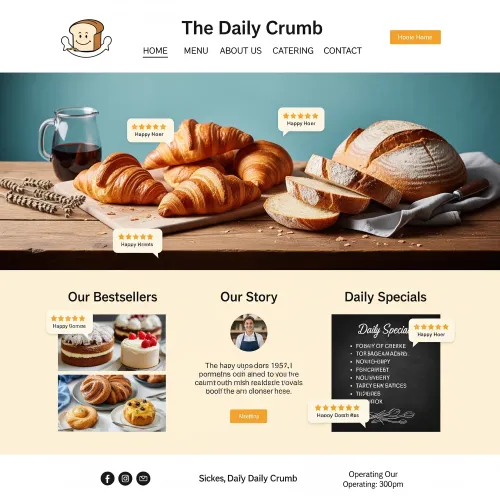
Your website should grow as your business grows. If you’ve added new products, services, or expanded your team but your site still looks the same as years ago, you’re missing opportunities. A redesigned website can highlight your growth, update your brand story, and showcase what you really offer today.
When Success Outgrows Your Website
This is a good problem to have – your business is evolving and growing, but your website is stuck in the past. It’s like wearing clothes that are too small; technically they still cover you, but they’re not doing you any favors.
Signs your website is holding you back:
- You offer new services that aren’t mentioned anywhere
- Your target customers have changed, but your messaging hasn’t
- You’ve expanded to new locations not shown on your site
- Your “About Us” page still shows old team photos
- Your prices or packages have changed significantly
- Your business story or mission has evolved
The Consistency Problem
Imagine walking into a restaurant that advertises “authentic Italian cuisine” but serves Chinese food. That’s what happens when your website doesn’t match your current business – customers get confused and lose trust.
Real example: Sarah started a photography business focusing on weddings. Her website was perfect for that. But over three years, she discovered she loved photographing newborns more. Her website still screamed “wedding photographer,” so parents looking for newborn photographers kept choosing her competitors instead.
Getting Back in Sync
A redesign gives you the chance to make sure everything matches up again. It’s like updating your wardrobe – you want everything to fit properly and represent who you are now, not who you used to be.
5. People Visit Your Website But Don’t Become Customers
Getting traffic is great—but if people visit your site and leave without contacting you, something’s wrong. Poor design, confusing navigation, or outdated content can stop visitors from converting into customers. A redesign can improve user experience, add clear calls-to-action, and build trust, turning visitors into leads and paying clients.
The Conversion Crisis
This might be the most frustrating situation of all – you’re getting visitors to your website, but they’re not taking action. They’re not calling, not buying, not signing up for anything. It’s like having people walk into your store, look around, and leave without buying anything.
Signs your website isn’t converting visitors:
- Lots of traffic but few phone calls or emails
- People spend only seconds on your site before leaving
- Your contact forms rarely get filled out
- Visitors can’t figure out what you want them to do
- Your website doesn’t clearly explain what makes you special
- People get lost trying to navigate your site
Understanding Why People Leave
Most visitors leave websites for simple reasons:
- They can’t find what they’re looking for quickly
- It’s not clear what action they should take next
- The website doesn’t build trust
- The process to contact you or buy is too complicated
- Your value isn’t immediately obvious
The Trust Factor
People need to feel confident before they’ll do business with you. Your website should answer their questions and ease their concerns, not create new ones.
Trust-building elements every website needs:
- Customer reviews and testimonials
- Clear contact information
- Professional photos of your team or work
- Security badges (especially for online purchases)
- Clear return or guarantee policies
- Examples of your best work
Making It Easy to Say Yes
Your website should guide visitors toward taking action, like a friendly salesperson. Every page should have a clear next step, whether that’s calling you, scheduling a consultation, or making a purchase.
Simple improvements that boost conversions:
- Make your phone number big and clickable
- Use action words on buttons (“Call Now” instead of “Contact”)
- Keep forms short and simple
- Show your best testimonials prominently
- Make it crystal clear what you do and how you help
How Much Does Website Redesign Cost?
Let’s talk money – because that’s probably what you’re thinking about right now. Website redesign costs vary widely, but here’s a realistic breakdown:
Basic redesign: $3,000 – $8,000 Good for simple business websites with basic functionality.
Professional redesign: $8,000 – $25,000 Includes custom design, advanced features, and professional copywriting.
Advanced redesign: $25,000+ For complex sites with e-commerce, custom programming, or specialized features.
The Bottom Line
Your website is working for you 24/7 – or it should be. If it’s showing any of these five warning signs, it might be working against you instead.
A website redesign isn’t just about making things look prettier (although that’s nice too). It’s about creating a tool that actually helps your business grow. When done right, your new website will attract more customers, build trust, and make it easy for people to choose your business.
Don’t let an outdated, slow, or confusing website hold your business back. In today’s digital world, your website is often your first chance to make a great impression. Make it count.